
Regional Ramen in Tokyo
Updated: Sep 24
Regional ramen in Tokyo is more accessible than ever. While each area of Japan has its own distinct ramen style, you don’t need to crisscross the country to try them.

Right here in Tokyo, you’ll find excellent bowls inspired by the flavors of Kitakata, Sapporo, Fukuoka, Nagoya, and even Hakodate. Each one offers a delicious window into its hometown roots.
These five bowls bring Japan’s regional ramen diversity straight to Tokyo.
Kitakata Shoyu Ramen – Mendokoro Wakamusha (Asakusa)

Mendokoro Wakamusha (麺処 若武者) features an impressively large menu, offering everything from hearty miso bowls to lighter seafood-based ramen. But their standout is a faithful take on Kitakata-style ramen, the regional pride of Fukushima Prefecture.

This bowl has it all: a gentle, clear soy-based broth; wide, wavy noodles with a satisfying bite; and melt-in-your-mouth fatty chashu slices. It’s simple, soothing, and a great entry point into the world of regional ramen. This is especially if you’re looking for something on the lighter end of the spectrum.
Sapporo Miso Ramen – Santora (Edogawabashi)
When it comes to miso ramen, Sapporo leads the charge - and Santora (三ん寅) in Shinjuku City delivers a rich, authentic experience. Inspired by the legendary Jun-Sumi style, their miso ramen features a complex broth topped with a thick layer of pork lard, fragrant ginger, and thick wavy noodles that hold the soup beautifully.

It’s heavy but refined, a bold miso bomb that remains one of the most highly regarded bowls of its kind in Tokyo. If you’re craving deep warmth in winter (or anytime), this one is a must.

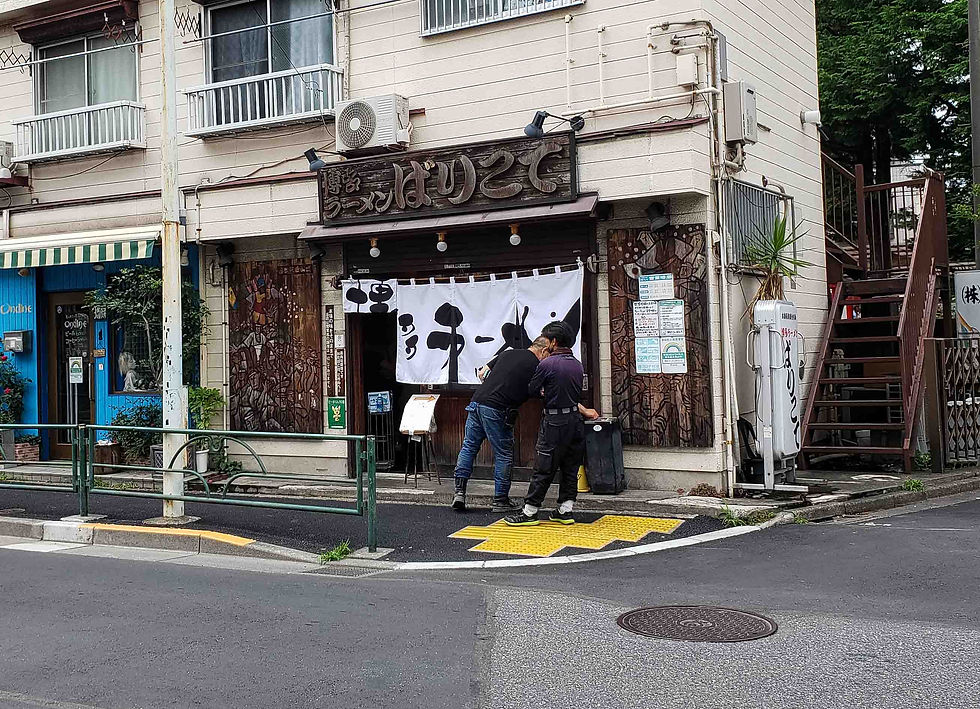
Fukuoka Tonkotsu Ramen – Barikote (Higashi-Koenji)
Fukuoka-style ramen - especially its Hakata sub-style - is beloved for its cloudy white pork broth and ultra-thin noodles. Barikote (ばりこて) keeps things classic, with a creamy soup that’s been simmered to perfection. Their tonkotsu is silky, slightly funky, and deeply satisfying.

As is tradition with Hakata ramen, you can order kaedama (extra noodles) after your first round. Slurp fast, and slurp again - that’s the Fukuoka way.
Nagoya Spicy Ramen – Misen (Shimbashi)
Nagoya’s signature spicy ramen, known as “Taiwan ramen,” comes to life at Misen’s (味仙) Tokyo branches. Originally created at Misen in Nagoya itself, this bowl is fiery, garlicky, and loaded with minced pork and chives. The soup is chicken-based but gets its kick from chili oil and pepper.

This is comfort food with attitude. It's furthermore a great entry point for spice lovers looking to explore regional ramen variations with some serious bite.

Hakodate Shio Ramen – Goryokaku (Ogikubo)
Shio (salt-based) ramen is often the lightest of the major ramen styles. Hakodate, a port city in southern Hokkaido, is famous for it. At Goryokaku (五稜郭) in Ogikubo, the soup is built on a gentle chicken and seafood stock that’s crystal clear but deeply flavorful.

You’ll notice how refined it is. The bowl has thin, straight noodles and minimal toppings like soft chashu and green onions. It’s a great contrast to the heavier bowls on this list and shows just how elegant ramen can be.

Regional Ramen in Tokyo - Wrap-up
Exploring regional ramen in Tokyo is one of the most rewarding ways to taste the diversity of Japan’s ramen culture - all without leaving the city. From the peppery kick of Nagoya-style spicy ramen to the soothing clarity of Hakodate’s shio broth, these bowls offer a flavorful passport to different parts of Japan!
Want More Ramen Recommendations?
Curious about more of Tokyo's ramen scene beyond these regional specialties? Our Tokyo Ramen Guidebook covers 100 of the city's best ramen shops, with curated routes and must-order dishes. Prefer a guided experience instead? A Tokyo Ramen Tour takes the guesswork out entirely.
Frequently Asked Questions
Can I really try regional Japanese ramen styles without leaving Tokyo?
Yes. Tokyo has shops dedicated to recreating regional styles from across Japan — including Kitakata, Sapporo, Fukuoka, Nagoya, and Hakodate — often run by chefs trained in or originally from those regions.
What's the difference between Hakata and other tonkotsu ramen styles?
Hakata-style tonkotsu, from Fukuoka, is known for its ultra-thin noodles and the option to order kaedama (extra noodles) to refill your bowl after finishing the first batch — a tradition specific to that region's ramen culture.
Is Nagoya-style "Taiwan ramen" actually from Taiwan?
Not quite — despite the name, Taiwan ramen was actually created in Nagoya, at the original Misen restaurant, inspired by Taiwanese flavors rather than being a traditional Taiwanese dish.
Which regional ramen style is the mildest for someone who doesn't like heavy or spicy broths?
Hakodate shio ramen is the lightest option on this list — a clear, delicate chicken-and-seafood broth that's a good entry point if you prefer something more refined over rich or spicy styles.


Comments